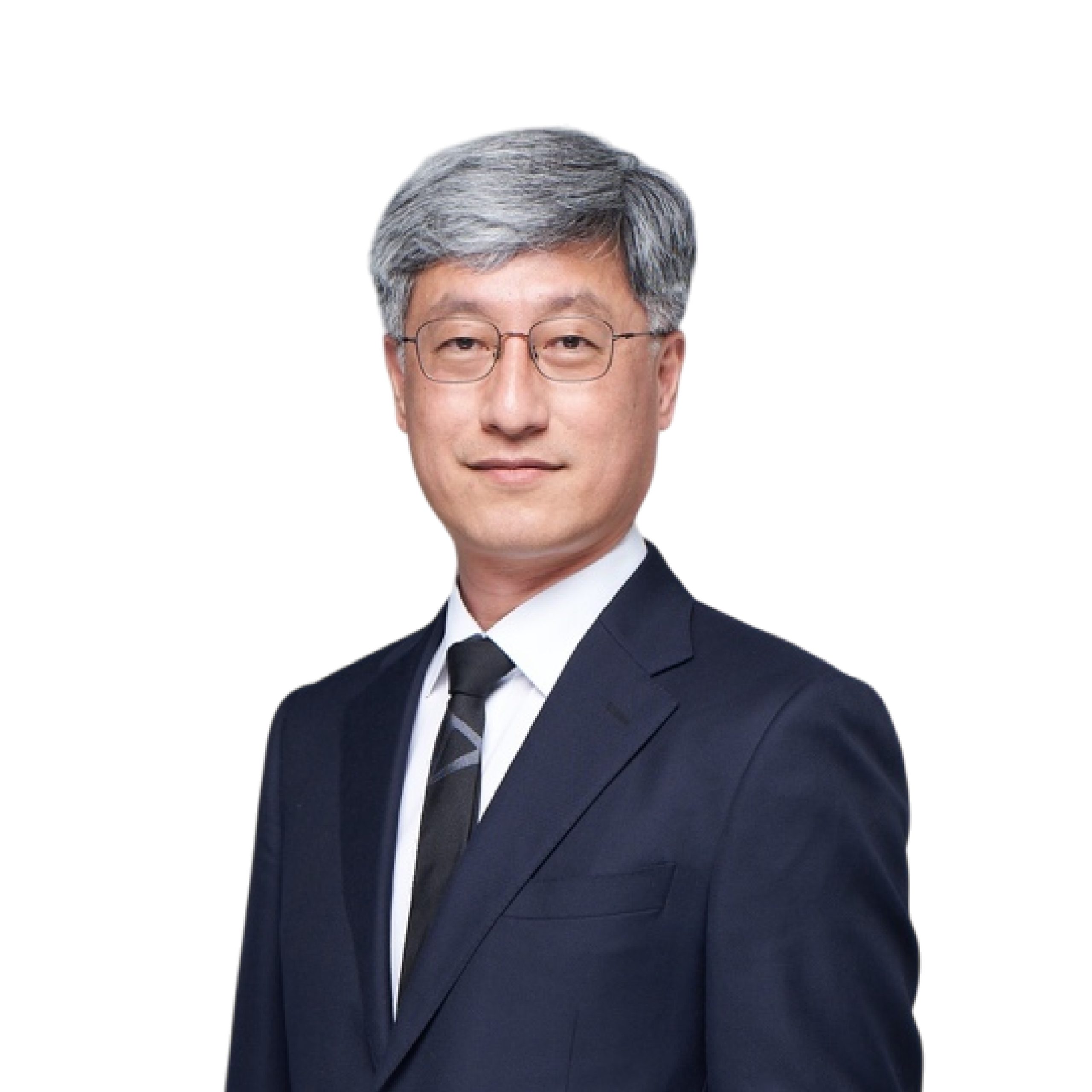
KEYNOTE SPEAKERS
Emeritus Prof. Paul V. Abbott
Topic 2: Root fractures / infection and inflammatory resorption
Topic 3: Dilemmas in case selection: Which teeth should be endodontically treated? More
CV
– Received BDS degree from the University of Western Australia.
– Obtained MDS degree in Endodontics from the University of Adelaide, Australia.
– Deputy Dean of the Faculty of Medicine, Dentistry and Health from 2005-2007.
– Head of the School and Director of Oral Hearth Centre of Western Australia in 2009.
– Director of Postgraduate Studies and Research within the School of Dentistry until December 2012.
– Has over 405 publications.
– Invited to present over 1000 lectures and continuing dental education
courses in Australia and 52 other countries.
– Member of the American Association of Endodontists.
– Visiting Professor at 8 Schools and Univerities in the world.
– Prof. Abbott was appointed as an Officer of the Order of Australia (AO) in June 2015.
– Prof. Abbott was awarded the status of Emeritus Professor by the University of Western Australia in 2022.
– Fellowship in five international dental academies and colleges.
Abstract
Topic 1: Classification, examination and diagnosis of dental trauma injuries
Traumatic dental injuries are potentially very complex. Hence, it is essential to have a thorough understanding of the various injuries that can occur so appropriate management can be undertaken. The first stage in managing all traumatic dental injuries (TDI’s) is to obtain a thorough history of how, when, where and why the injury occurred. This will facilitate the subsequent clinical examination which must be comprehensive and include all tests and adequate radiographs, photographs, etc. Once all the information has been gathered, then the appropriate diagnoses can be made. In order to diagnose TDI’s effectively and consistently, it is important to know and understand the classification of such injuries. The most widely used classification is the one developed by Andreasen and adopted by the World Health Organisation. There is also a new system that can be used to more thoroughly document TDI’s and this will be outlined.
Topic 2: Root fractures / infection and inflammatory resorption
Part A – Transverse Root Fractures (commonly called horizontal root fractures) are a complex injury, but they usually require little in the way of invasive or irreversible treatment. Unfortunately, this type of injury appears to be poorly understood by many dentists and this has resulted in many teeth with such fractures being poorly managed in the past. This lecture will specifically discuss this type of injury and how it should be managed. A variation of the classification of root fractures will be explained and this will help dentists in the management of these fractures. The long-term prognosis of sub-crestal coronal third root fractures, middle third root fractures and apical third root fractures is usually very good, if managed appropriately and conservatively. However, supra-crestal coronal third root fractures have a poorer prognosis with respect to the pulp and restoration of the tooth due to the location of the fracture, which is similar to a complicated crown:root fracture. Management of these fractures poses dilemmas for the dentist and some guidelines will be presented to help the decision-making when a supra-crestal coronal third root fracture is present.
Part B – External inflammatory resorption is a complex topic but one that has been well researched so the dental profession now has a good understanding of how it occurs and when it occurs. This allows us to predict the injuries that are likely to result in this type of resorption so we can then focus our management on preventing its occurrence. However, sometimes, external inflammatory resorption will already be present by the time a patient presents for treatment. Hence, interceptive treatment will be needed in order to arrest the resorptive process and to stimulate healing and repair of the lost hard dental tissues and periodontal ligament. In this lecture, detailed protocols for both the preventive and interceptive management of external inflammatory resorption will be outlined.
Topic 3: Dilemmas in case selection: Which teeth should be endodontically treated?
There are many factors that affect the outcome of Endodontic treatment and the longevity of teeth following treatment. Most Endodontists, dentists and research studies have focussed on the technical aspects of treatment or the presence of periapical radiolucencies and their effects on treatment outcome. Little attention has been paid to case selection. This presentation will explore this issue and will provide guidelines on how to assess and select teeth that likely have a good prognosis, and what criteria to use to reject teeth that have a poor prognosis. Whilst case selection affects treatment outcome to some extent, it has a much greater effect on the longevity of the tooth following Endodontic treatment with the most important factor being whether the tooth is suitable for further restoration. This issue has not been adequately addressed in the literature yet it is very important and it will be explored in detail in this lecture.
Prof. Lars Andersson, DDS, PhD
Topic 2: Tooth avulsion and replantation
Topic 3: Tooth ankylosis, replacement resorption and bone preservation More
CV
– Completed undergraduate and research training at Karolinska Institute, Sweden.
– Defended doctoral thesis on experimental and clinical studies on replantation of teeth in 1988.
– Received A. Prof. title at Karolinska Institute, Sweden in 1990.
– Professor of OMFS and Chairman of Department of Surgical Sciences, Faculty of Dentistry, Kuwait University from 2002-2017.
– Senior Professor of Oral and Maxillofacial Surgery at Malmö University,
Sweden.
– Board member of the Dental Trauma Guide Competence Centre in Copenhagen, Danmark.
– Author of more than 200 original research papers in international Medline indexed scientific journals. His papers have received more than 13000 scientific citations, H factor 61.
– Has given more than 200 lectures in more than 40 countries on all continents of the world.
– Editor of five international textbooks and chapter author in several textbooks in the fields of Trauma and OMFS.
– He was Editor-in-Chief of the Medline indexed scientific journal, Dental
Traumatology from 2007-2015 and President of the International Association of Dental Traumatology (IADT) 2011-2014.
– Received numerous awards for his teaching and service, among them the prestigious IADT JOA lifetime achievement award.
Abstract
Topic 1: Tooth replacement in the anterior maxilla: orthodontic space closure, prosthetic options, implants or autotransplantation
The lecture will present strategies how to manage situations where teeth have been lost in the anterior region of the maxilla after trauma in young growing patients. Different treatment alternatives must be considered such as prosthetic treatment, orthodontic space closure and autotransplantation of another tooth to the anterior region. Implant treatment is contraindicated in the young growing patient because it interferes with growth and the lecture will present how to assess when implants at earliest can be placed in an adolescent patient. The various alternatives when treating a patient with tooth loss in the anterior region must always be related to the growth status of the individual patient and the aim of the lecture is to present strategies for the choice of treatment in each individual situation. The importance of timing and an inter-disciplinary approach to these cases will be emphasized.
Topic 2: Tooth avulsion and replantation
The most serious dental injury is avulsion (exarticulation) of permanent teeth. This injury is most often seen in young growing patients, which presents special problems when it comes to treatment. The most important phase for the prognosis is the emergency management. An avulsed tooth can be replanted and successfully heal if properly managed immediately after the injury. Injuries to the periodontal membrane and the pulp will decrease the possibility for a successful healing. Information to the public such as children, parents and teachers who may be present at the place of accident is therefore important. Furthermore, clinicians must understand the principles of tissue injury and healing of tissues after replantation to be able to early diagnose and correctly manage potential later complications such as root resorption, ankylosis and infraposition, which is especially important in growing children. The lecture will address the important aspects of tooth avulsion and replantation such as correct first aid at the place of accident and emergency treatment in the dental clinic. The lecture will also present principles of healing, diagnosis and treatment of potential complications based on recent evidence from scientific literature. Results from recent long term clinical follow up studies of replanted teeth will be presented.
Topic 3: Tooth ankylosis, replacement resorption and bone preservation
Root resorption is sometimes seen after traumatic dental injuries and autotransplantation. While infection related root resorption today can be prevented or treated, ankylosis is the most serious complication for the tooth resulting in progressive replacement resorption of the root by bone and eventually causing loss of the tooth. Moreover, inhibition of growth and development of the alveolar process is also seen in young growing patients following ankylosis. The lecture will give a complete overview aiming at understanding the development, progression, and management of ankylosis based on in vivo- and clinical studies and an overview of the literature. An overview of various less successful methods to manage ankylosis will be given and the method of choice today, decoronation, will be presented. The recent shift in paradigm from “save the tooth” to “preserve the bone” will be presented.
Prof. Hien Ngo, DDS, PhD
CV
– World-renowned researcher and clinician in Minimal Interventional Dentistry and Cavity Pathology.
– Professor at the University of Queensland, Australia from 2009.
– Former Dean of the Faculty of Dentistry, University of Kuwait in 2012 and University of Sharjah, UAE in 2016.
Visiting Professor of:
+ King College, London.
+ University of Queensland, Australia.
+ University of Malaya, Kuala Lumpur, Malaysia.
+ University of Singapore, Singapore.
+ University of Thammasat, Bangkok, Thailand.
– Dean of the University of Western Australia Dental School.
– Director of the Oral Health Centre Western Australia.
– Member of the State Oral Health Council of Western Australia.
Abstract
Updating…
Prof. Monty S Duggal
Topic 2: Luxation injuries
Topic 3: Biological options for long-term replacement: autotransplantation More
CV
– Received BDS degree from Punjab University, Punjab, India in 1983.
– Received MDS (Paedodontics and Preventive Dentistry) degree from Postgraduate Institute for Medical Education and Research (PGIMER), Chandigarh, India in 1986.
– Received Certificate in Clinical Paediatric Dentistry, University of Leeds, UK in 1989.
– Received PhD degree from University of Leeds, UK in 1997.
– Senior Lecturer in Child Dental Health, University of Leeds from 1988-1999.
– President of the European Academy of Paediatric Dentistry from 2012-2014.
– Professor of Child Dental Health, Head of Paediatric Dentistry from 1999 – 2016.
– Hon visiting professor NUS from 2020-present.
– Head of Department of Paediatric Dentistry, Chair, Faculty Tenure and Promotions committee, NUS from 2017-2020.
– Vice Dean (Research) Faculty of Dentistry, National University of
Singapore from 2018-2020.
– Dean of College of Dental Medicine, Qatar University from 2021-Present.
Abstract
Updating…
Prof. Anand Marya, BDS, PhD
CV
⁻ Received BDS degree from Seema Dental College & Hospital, Uttarakhand, India in 2008.
⁻ Received PhD degree in Oral Biology from Thammasat University, Thailand in 2024.
– Received Prof. title in 2024.
– Former Clinical Professor and Post Graduate Thesis Guide in the Post Graduate department of Orthodontics at International University, Phnom Penh, Cambodia, from 2018 – 2024.
– Dean of Dentistry and Program Director of Orthodontics at University of Puthisatra, Phnom Penh, Cambodia since 2017.
Abstract
The Modified Tweed technique represents a refined evolution of classical orthodontic biomechanics, integrating scientific precision with individualized force control to address the limitations of modern preadjusted appliance systems. While straight-wire and MEAW (Multiloop Edgewise Archwire) techniques have advanced clinical efficiency, they often compromise true biomechanical customization—relying heavily on bracket prescriptions or complex wire loops that may produce unwanted side effects.
This lecture revisits the biomechanical philosophy of the Modified Tweed approach, emphasizing torque expression, anchorage control, and three-dimensional force management. Through comparative analyses, it demonstrates how Modified Tweed mechanics provide greater control of incisor inclination, vertical dimension, and facial aesthetics, while minimizing occlusal plane distortion and root resorption. Unlike preadjusted straight-wire systems, the Modified Tweed technique allows for personalized wire geometry and precise moment-to-force calibration, leading to more predictable tooth movement and post-treatment stability.
The session will integrate theoretical concepts with clinical case demonstrations, highlighting efficiency gains, reduced wire fatigue, and superior long-term outcomes. By blending classical biomechanical principles with contemporary materials and digital planning, the Modified Tweed philosophy remains highly relevant in achieving functional harmony, esthetic balance, and biomechanical excellence in modern orthodontics.
Prof. Jean-Marc Retrouvey, DMD, MSc
Topic 2: Artificial or Decision Intelligence? What does the orthodontist want and need? More
CV
– Received DMD degree from University of Montreal, Canada in 1978.
– Received MSc degree from Boston University, USA in 1993.
– Received Prof. title from University of Missouri–Kansas City, USA in 2020.
– Former Chair, Department of Orthodontics UMKC.
– Former Director, Division Orthodontics, McGill University, Montreal, Canada.
– Invited Professor, Case Western Reverse University, Ohio, USA.
– Invited Professor Universidad de Especialidades Espíritu Santo, Ecuador.
– Invited Professor, National Autonomous University of Mexico, Mexico.
– Senior Faculty, Baylor College of Medicine, Department of Genetics, Houston, USA.
Abstract
Topic 1: 3D Direct Printed Appliances: A new perspective for multiple treatment applications
The methods for producing dental appliances are rapidly evolving with the introduction of advanced, affordable 3D printing systems designed for clinical environments. These new printers make it possible to fabricate a wide range of appliances, including orthodontic 3D printed aligners, TMJ splints, sleep apnea devices, growth modification and various removable appliances, directly in the dental office.
This technological shift represents a major step toward a fully digital workflow, enabling the predictable creation of appliances generated from simulation software. Directly printed appliances have the potential to be more accurate, faster to produce, and more cost-effective than conventionally fabricated laboratory appliances.
In this presentation, we will review the core technologies and materials that make this transformation possible, highlighting how digital design and additive manufacturing are reshaping clinical dentistry. The discussion will primarily focus on orthodontic aligners and sleep apnea appliances, the first clinical applications of this emerging technology, while outlining the expanding possibilities for other custom-printed devices in the near future.
Topic 2: Artificial or Decision Intelligence? What does the orthodontist want and need?
Artificial Intelligence is the new buzz word in the 21st century. Everything around you seem to be controlled by AI. AI is almost thought as the future replacement for many professions, orthodontics included. However, AI is indeed a very powerful data management system controlled by algorithms created by humans. Its goals are to analyze data and predict outcomes using mathematical models. As helpful as these concepts are, the human element of judgement, intuition, psychosocial approach of our patients is absent from these predictions.
Combining clinical judgment with AI driven predictions promises to offer the clinician a broader perspective to further improve the predictability of individualized orthodontic treatments. Decision Intelligence (DI) is the combination of artificial and human intelligence. DI is being increasingly applied in the field of medicine as it offers the power of mathematical reasoning with the human element added to provide the practitioner with a more compelling diagnosis and treatment planning.This lecture will explore how incorporating DI in a busy orthodontic practice can enhance the outcome of their treatments while retaining full control of the final decision.
Prof. Sajee Sattayut, DDS, PhD
CV
– Professor in Oral and Maxillofacial Surgery and sub-discipline: Lasers in Dentistry, Khon Kaen University, Thailand
– Head of Lasers in Dentistry Research Group, KKU
– Managing Director, Hub of Knowledge
– Director of APD WFLD
Abstract
Lasers have been used in the orofacial region for over five decades; challenges remain in their effective application in dental practice. Many dental practitioners still view lasers as alternative devices rather than integral to clinical approaches. This keynote highlights the need for an accurate perception of orofacial laserology, covering key areas such as laser physics, tissue interaction, and safety. It categorizes laser therapies into high-intensity, selective, and low-intensity and emphasizes practical decision-making. Additionally, it underscores the importance of ongoing education in the Asia–Pacific region, where varied clinical environments and access to training create both challenges and opportunities for sustainable learning.
Learning objectives:
Understanding, Perception, Application, Lifelong-education
Dr. Sagar Abichandani, MDS
CV
– Received BDS degree from Dr. DY Patil Dental College, Mumbai, India.
– Received MDS degree in prosthodontics of SDM College of Dental Sciences, Dharwad, India.
– Received Postgraduate Certificate in Restorative & Aesthetic Dentistry from University of Manchester, UK.
– Received clinical Mastership in Oral Implantology from Stony Brook University, New York, USA.
– Director of Silverline Dent & Care Solutions Pvt. Ltd.
– Founder & chief prosthodontist of the Dental Hub (Chembur & Andheri West, Mumbai).
– Gold mentor of University of Manchester, UK.
Abstract
Predictable esthetics that endure biologically is the new standard of care. This keynote connects digital planning with peri-coronal and peri-implant tissue health to deliver long-term, patient-centered outcomes. We will map a “digital-to-biologic” workflow—diagnostics (DSD/AI simulations), prosthetically guided tooth movement or site development, and minimally invasive restorative execution—showing how each decision (emergence profile, margin position, surface topography, cleansability) influences soft-tissue stability, biofilm behavior, and maintenance. Indian clinical cases and multi-unit rehabilitations illustrate how digital wax-ups, AI-assisted previews, and risk-stratified material choices (ceramics, hybrids) can reduce chair time while improving esthetics, function, and patient-reported quality of life. Evidence on digital versus conventional steps, occlusal design for parafunction, and soft-tissue engineering around teeth and implants (collagen fiber orientation, transmucosal contouring) will be translated into chairside protocols. Delegates leave with checklists, decision trees, and communication assets that raise acceptance and reduce remakes—without compromising biology. The session closes with maintenance strategies and metrics for success that blend clinical indices with PROs, building a durable “smile-for-life” practice model.
Learning Outcomes
1. Identify prosthetic design variables (emergence, margins, texture) that affect periodontal/peri-implant stability.
2. Compare digital vs. conventional steps for efficiency, accuracy, and outcome predictability.
3. Apply AI/DSD to increase case acceptance and esthetic precision in daily practice.
4. Design minimally invasive preparations and transmucosal contours that enhance soft-tissue health.
5. Evaluate success using clinical indices and patient-reported outcomes; implement maintenance pathways to reduce biological and technical complications
Prof. Balaji SM, DDS, PhD
CV
– Received MDS degree from Annamalai University (Currently under The Govt. of Tamil Nadu-Government Dental College Cuddalore), India in 1991.
– Received PhD degree from Dept. of Plastic Surgery, Govt. Kilpauk Medical College, The Tamil Nadu Govt. Dr. MGR Medical University, India in 2007.
– MFDS RCPS (Glasg.) – Royal College of Physicians & Surgeons of Glasgow, UK.
– FDS RCPS (Glasg.) – Royal College of Physicians & Surgeons of Glasgow, UK.
– Former Adjunct Professor, The Tamil Nadu, Govt. Dr. MGR Medical University, Chennai, India.
– Managing Director & Head of the Department, Senior Consultant, Cranio-Maxillofacial Surgeon, Balaji Dental & Craniofacial Hospital, Chennai, India.
– Council Member, FDI World Dental Federation (FDI).
– Editor-in-Chief for AMS, JGOH and the Executive Editor of IJDR.
Abstract
Distraction Osteogenesis (DO) is a transformative biological technique in oral and maxillofacial surgery that enables simultaneous regeneration of bone and soft tissues through gradual, controlled distraction. This presentation, based on over 25 years of surgical experience, highlights the wide-ranging clinical applications of DO in dental and maxillofacial practice. At the minor end, alveolar distraction allows predictable ridge augmentation, arch widening, and height gain for implant placement. In orthodontic and orthognathic contexts, DO facilitates controlled jaw advancement and transverse expansion, improving occlusion and facial balance. Complex reconstructions—such as facial asymmetry, syndromic deformities, post-traumatic or oncologic defects, and cleft-related deficiencies—benefit greatly from DO’s capacity to regenerate both bone and soft tissue.
Proper planning, vector control, and activation protocols yield stable, vascularized bone suitable for long-term function. DO represents a paradigm shift—from replacing to regenerating bone—offering general practitioners a biologically sound approach to interdisciplinary and comprehensive patient care.
Learning Objectives:
– Explain the biological basis and stages of Distraction Osteogenesis.
– Identify indications and applications of DO in dental and maxillofacial surgery.
– Describe planning principles, vector control, and activation protocols.
– Discuss the role of DO in managing complex craniofacial deformities.
– Integrate DO concepts into general and interdisciplinary dental practice.
Prof. Pilseong Kim, DDS
CV
– Received DDS degree from University of California, San Francisco, USA in 1993.
– Received MSc degree from School of Dentistry, Loma Linda University, USA in 2003.
– Received Prof. title from Loma Linda University, USA in 2013
– CEO, Wilshire Periodontics and Dental Implant Center.
– Lecturer, School of Dentistry, University of California, Los Angeles, USA.
Abstract
This presentation will review various aspects of peri-implant disease and explore effective methods for decontaminating and detoxifying contaminated dental implant surfaces using different materials for antimicrobial and surgical approaches. Both non-surgical and surgical treatment protocols will be discussed, enabling attendees to maintain peri-implant tissue health and successfully manage implant mucositis and peri-implantitis.
Dr. Jongmok Han, DDS
CV
Updating…
Abstract
Prof. Anthony Mak
CV
Dr. Anthony Mak graduated with multiple awards from the University of Sydney in 2002. He then went on to complete his Post Graduate Diploma in Clinical Dentistry (Oral Implants).
- Dr Mak is one of Australia’s most sought after speaker, especially in the field of digital and restorative dentistry. He has lectured extensively in Australia, New Zealand and across Asia; and his hands-on workshops have gained such popularity that they are almost always booked out soon after registrations open. He is also gaining great popularity on the European and US circuit.
- Anthony is the author of two compelling compendiums detailing direct composite and indirect ceramic restorations, the clinical photography and documentations can only be described as exceptional. He has published numerous case studies and articles for local and international dental bodies and associations.
- Anthony’s interest lies in dental technologies, advances in materials and techniques; and he has a unique understanding of CAD-CAM digital dentistry.
- Anthony runs two practices in metropolitan Sydney, focusing on quality modern comprehensive care, including aesthetic and implant dentistry. He is also a clinical consultant and key opinion leader for several global dental companies focusing on development of new dental technologies.
- Outside of clinical practice, Anthony also sits on the Restorative Advisory Board for GC Europe, is an Adj Clinical Professor at the University of Puthisastra, committee member for the University of Sydney Graduate Diploma in Oral Implants, and is the team leader in Australia for the renown BioEmulation Group, a global group of high achieving dental practitioners.
Abstract
Dental caries and erosion are pressing oral health issues that significantly impact individual well-being, resulting in financial burdens, discomfort, functional limitations, and overall diminished quality of life. The advent of Minimal Intervention (MI) dentistry has revolutionized caries management, making the pursuit of lifelong oral health a tangible objective. This transformative approach is reinforced by key policy statements from the FDI published in 2002, 2012, and 2013.
MI promotes a patient-centered treatment model that emphasizes minimally invasive and biomimetic restorative techniques, focusing on the preservation of tooth structure and vitality. Central to this framework is the “”Saving Our Sixes”” strategy, which highlights the essential role of first permanent molars (FPMs) in maintaining lifelong oral function. This strategy advocates for protective measures beginning at the eruption phase, such as surface protection and smooth surface sealants during the mixed dentition stage. When FPMs require fillings, conservation of marginal and transversal ridges is prioritized to maintain structural integrity, and indirect partial coverage restorations are suggested to optimize tooth structure retention.
The continued development of adhesive technologies, material science and clinical protocols has allowed the provision of conservative and durable direct and indirect restorations to address the myriad of complex clinical presentations, including the “sixes” commonly encountered in the general dental practice today. In addition, these modalities of treatment also fulfil the ever increasing patient demands for aesthetics.
The evolvement and the increasing sophistication of digital technologies, from digital planning and 3D printing, has also allowed the simplification of protocols in providing such minimal intervention restorative treatments.
By implementing the “”Saving Our Sixes”” approach, dental professionals can greatly enhance the long-term oral health of their patients, ultimately improving quality of life across diverse populations. This dynamic symposium will feature esteemed speakers, Professor Hien Ngo and Dr. Anthony Mak, who will share practical strategies and insights that practitioners can readily apply in their clinics. Join us to explore effective techniques for safeguarding oral health for future generations.
Dr. Kelvin Wen-Chung Chang
CV
– Received DDS degree from National Taiwan University in 1996.
– Received MS degree from Graduate institute of Clinical Dentistry, National Taiwan University in 2005.
– Adjunct clinical instructor, Orthodontic Department, National Taiwan University Hospital since 2003.
– Advisor, World Implant Orthodontic Association since 2016.
– Chairman of Education Committee, Taiwan Association of Orthodontists, 2021-2026.
Abstract
This lecture will explore the mandibular treatment responses that can be achieved without surgical intervention, highlighting how orthodontic treatment contributes not only to dental alignment but also to facial esthetics.
First, various types of mandibular treatment outcomes will be introduced, focusing on mandibular repositioning. These include three types of rotational movements—pitch, roll, and yaw—and three translational movements—forward/backward, upward/downward, and lateral.
Clockwise mandibular rotation in Class III patients and counterclockwise rotation in Class II patients is classified as pitch rotation. Other mandibular responses are categorized as “mandibular jumps,” which serve to correct occlusion and enhance facial esthetics.
The second part of the lecture will discuss the mechanisms behind mandibular jumps and the possible dental interferences that may influence them.
Dr. Sameshima, DDS, PhD
CV
– Received BSc degree on Mathematics from University of California, Los Angeles, USA in 1976.
– Received DDS degree from Univ California, San Francisco, USA in 1980.
– Certificate, Orthodontics, University of Southern California, USA in 1989.
– Received PhD degree on Craniofacial Biology from Univ Southern California, USA in 1991.
– Assistant Professor, Department of Orthodontics, University of Southern California, USA from 1994-2000.
– Received A. Prof. title from Univ Southern California in 2000.
– Chair and Program Director, Graduate Orthodontics, Herman Ostrow School of Dentistry of USC from 2003.
Abstract
Some of the most difficult cases to treat to a predictable, good outcome are Class III malocclusion non-growing patients. The famous professor from North Carolina, Dr William Proffit coined the term “camouflage” many years ago to describe non-surgical treatment that essentially moves the dentition to hide the underlying skeletal problem. This can be done in a number of ways in Class III cases in which the skeletal problem is a combination of maxillary deficiency and mandibular prognathism. Correct diagnosis is the key and a fundamental knowledge of facial growth and recognition of certain growth patterns are crucial in deciding what mechanics will work. Will the case need extractions? Skeletal anchorage? Functional appliances? The clinical methods and tips will be illustrated with complete case records including case selection, appliance selection, and finishing for Class III malocclusion successful camouflage treatment.
Learning subjectives:
– Diagnosis and case selection Class III non-growing patients for non-surgical camouflage.
– Basic biomechanics using fixed appliances for successful outcomes.
– Problems to watch out for in finishing.
– Underlying skeletal problem of bimaxillary Class III.
Prof. In-Woong Um, DDS, PhD
CV
– Received DDS degree from Seoul National University Dental College, South Korea in 1984.
– Received PhD degree from Seoul National University Dental College, South Korea in 1992.
– Received Prof. title from Chungnam National University College of Medicine, South Korea in 1990.
– Vice-President of The Korea Academy of Implant Dentistry from 2013-2015.
– Director, The Korean Academy of Implant Dentistry from 2017-2019.
– Former Chairman, Implant Clinical Research Committee, KAOMS
– Director of R&D Institute, Korea Tooth Bank.
– Dentist at Sangryu Dental Clinic, South Korea.
Abstract
As the autogenous bone graft still remains “Gold Standard” in implant dentistry, several bone graft substitutes have been developed to come up with “God Standard” in terms of components and function such as osteoinduction, osteoconduction, and osteogenesis.
Based on highly ranked evidence-based literature and qualified certification, I will introduce the bone graft technique using Hu-BT on socket preservation (ridge preservation), ridge augmentation, guided bone regeneration, ridge split, and sinus augmentation as Simplest Bone Graft Technique.
Since the introduction of tooth-derived bone graft substitute in 2015 (Hu-BT, Korea Tooth Bank, Seoul, Korea), clinical safety and efficacy has been approved by KFDA and KAHW as similar to the “Gold Standard” in component and function.
In addition, I will provide clinical studies and long-term results on whether we achieve the final goal of bone graft in dental implant as the “Evidence-Proof” of “Successful Implant”.
Learning objectives:
– Understand the principles and step-by-step procedure of Guided Bone Regeneration (GBR) in implant dentistry.
– Master the clinical application of Hu-BT in various GBR cases
Vo Van Nhan, DDS, PhD
CV
– Received DDS degree from HCMC University of Medicine and Pharmacy in 1997.
– Received Resident physician degree from HCMC University of Medicine and Pharmacy in 2002.
– Received PhD degree from 108 Institute of Clinical Medical & Pharmaceutical Sciences in 2015.
– Chairman of Nhan Tam Dental Clinic.
– Head of Dental Implant Division, Hong Bang International University.
Abstract
Ectodermal dysplasia (ED) patients with complete anodontia pose a profound rehabilitative challenge due to severe maxillomandibular atrophy and the proximity of vital structures, such as the inferior alveolar nerve (IAN). Conventional implant protocols often necessitate multiple, extensive bone grafting procedures with significant morbidity, prolonged treatment times, and suboptimal outcomes in such extreme bone volumes. This report addresses the critical need for a predictable, efficient, and bone-preserving solution for this complex patient cohort.
This presentation introduces a contemporary, technology-driven protocol that strategically coordinates four advanced modalities to achieve immediate function and long-term stability. For the atrophic maxilla, the solution involves placing quadzygomatic implants with dynamic computer-assisted navigation. This real-time guidance ensures safe engagement of the zygomatic bone, entirely bypassing the deficient maxillary alveolus and eliminating the need for sinus lifts or major augmentation. Moreover, customized implants are indicated to address localized anatomical constraints. In the severely resorbed mandible, the protocol employs dynamic navigation to execute neuroprotective implant placement. This involves either IAN Bypass placement (implants are placed bypassing the nerve) or IAN transposition, allowing the insertion of standard-length implants directly into the residual bone without damaging the nerve.
The coordination of these advanced modalities offers a predictable, safe, and highly precise alternative for ED patients. By leveraging real-time navigation to enhance safety and precision, and by utilizing zygomatic implants, customized implants, and nerve-transpositioning strategies to exploit existing residual bone, this approach promises to reduce treatment complexity, minimize patient morbidity, and provide a rapid, predictable route to a fixed prosthetic restoration. Its potential extends to improving the quality of life for patients with congenital anodontia who were once considered beyond the scope of traditional implant therapy.
Nguyen Khanh Long, DDS, PhD
CV
– Received DDS degree from Hanoi Medical University in 2000
– Received PhD degree from Gifu Medical School, Japan in 2009
– Current work positions: Vice director of VNCB Friendship Hospital
Abstract
Immediate implant placement in extraction sockets with infection has traditionally been considered contraindicated. However, contemporary evidence suggests predictable outcomes when careful case selection and meticulous infection control are ensured. This presentation reviews indications and contraindications, minimally traumatic extraction, thorough debridement and socket decontamination, and prosthetically driven 3D implant positioning to achieve primary stability in healthy bone. Strategies for managing jumping gaps and bony defects with simultaneous grafting, as well as soft-tissue management to minimize esthetic complications, will be emphasized. Key risk factors and preventive measures for early complications-residual infection, crestal bone loss, and mucosal recession-will be discussed, integrating current literature with relevant consensus recommendations. A practical clinical decision-making algorithm and step-by-step protocol will be proposed to help clinicians optimize outcomes when considering immediate implants in previously infected sites.
Learning objectives: Evaluate the current evidence regarding immediate implant placement in infected extraction sockets. Identify clinical indications and contraindications for immediate implants in the presence of periapical or periodontal infection.
Apply a step-by-step clinical protocol focusing on infection control, primary stability, and 3D implant positioning
A.Prof. Pham Nhu Hai, MD
CV
– Received DDS degree from Renn University, France in 1997.
– Received Residency doctor degree in maxillofacial surgery from Lille University, France in 2000.
– Received PhD degree from Hanoi Medical University in 2006.
– Received Associate Professor title in 2015.
– President, Council of the University of Medicine and Pharmacy, Vietnam National University, Hanoi.
– Head of Orthodontic Department, School of Medicine and Pharmacy, Vietnam National University, Hanoi.
– Member of the executive committee, Vietnam Association of Oral Maxillofacial and Plastic Surgery.
– Member of the executive committee, Vietnam Association of Orthodontists.
– Member of World Federation of Orthodontists.
– Have many studies related to maxillofacial surgery, orthodontics, dental implants, occlusion…
Abstract
The Multiloop Edgewise Arch Wire (MEAW) technique, developed by Young H. Kim and popularized by Sadao Sato, is a mechanical orthodontic method utilizing a multi-loop wire system. It is designed to achieve three-dimensional control of individual teeth for the non-surgical correction of malocclusions such as open bite, deep bite, and anterior crossbite. This report will analyze the mechanical principles of the MEAW technique, along with its advantages and disadvantages, illustrated through clinical case studies. The objective is to provide attendees with a comprehensive understanding of the technique’s nature, enabling them to make informed decisions regarding its suitability for appropriate clinical cases.
A.Prof. Tran Ngoc Quang Phi, DDS, PhD
CV
– Dean, Faculty of Dentistry, Head of Department of Oral Pathology and Maxillofacial Surgery, Head of Department of Orthodontics and Pedodontics, Chairman of the Ethics Committee in Biomedical Research, Van Lang University.
– Received DDS degree from HCMC University of Medicine and Pharmacy in 1990.
– Received MSc degree of Medicine from HCMC University of Medicine and Pharmacy in 1998.
– Received PhD degree in Maxillofacial Surgery from 108 Institute of Clinical Medical and Pharmaceutical Sciences in 2011.
– Received MSc degree of Dentistry, specialized in Orthodontics, Munster University, Germany.
– Vice Dean, Faculty of Dentistry, Head of Department of Oral Pathology and Maxillofacial Surgery, Pham Ngoc Thach Medical University from 2017-2019.
– Received title Associate Professor in December, 2025.
Abstract
Updating…
Vittorio, DDS, PhD
More
CV
– Received DDS degree from University of Naples “Federico II”, Italy in 1993
– Received MSc and Specialty Orthodontic Degree from Aarhus University, Denmark
in 1999.
– Received Prof. title from University of Pavia Italy in 1999.
– Received PhD degree from University of Naples “Federico II”, Italy in 2000
– Former work positions: Specialist of Orthodontics at Naples “Federico” II and at
Studio Sfondrini, Pavia, Italy.
– Current work positions: Private Clinic “Vittotio Cacciafesta” in Milan, Italy and
Stevenage, UK.
– Honored Speaker: in Europe, Middle East, Asia and North and South America,
Africa
Abstract
Topic 1: A multidisciplinary approach combining orthodontics and other disciplines for the treatment of complex cases
Treatment of complex cases, where multiple clinical problems need to be faced, can be demanding if a comprehensive treatment plan is not performed. The presentation will focus on a combined workflow, where Orthodontic procedures are associated with Digital Design of the Smile and previsualization techniques, Implant Dentistry with soft and hard tissues augmentation, Perioplastic Surgery and Prosthetic procedures including ceramic minimally invasive bonded restorations. Multidisciplinary treatment strategies will be presented in this lecture to highlight the importance of combining different clinical procedures to achieve an improved result. The lecture will include step by step clinical presentation of different complex cases.
Learning objectives:
– Solve complex and multiple clinical problems
– Workflow of Orthodontic Digital Design of Smile
– Implant Dentistry with soft and hard tissues augmentation
– Perioplastic Surgery and Prosthetic procedures
Dr. Yau Yi Kwong
CV
– Graduated from the University of Hong Kong in 1987.
– Invisalign certified in 2002.
– Diamond Invisalign Provider since 2014.
– Received Invisalign Peer Review Award in 2011.
– Member in the Asia Pacific Invisalign Clinical Advisory Board.
– Speaker at APAC Summit; Singapore (2014), Macau (2016), Singapore (2018).
Abstract
Updating…
Vu Thanh My Anh, DDS, PhD
CV
Updating…
Abstract
Updating…
A.Prof. Do Thi Thao, DDS, PhD
CV
– Received DDS degree from Can Tho University in 2001.
– Received MSc degree from HCMC University of Medicine and Pharmacy City in 2011.
– Received PhD degree from Khon Kaen University, Thailand in 2018.
– Received Associate Professor title in 2024.
– Vice Dean, Faculty of Dentistry, Can Tho University of Medicine and Pharmacy
– Head of Department of Oral Diagnosis – Periodontology.
– Secretary of Asia Pacific Division of the World Federation for Laser Dentistry (APD-WFLD).
Abstract
The use of lasers in dentistry has transformed many clinical procedures by offering improved precision, minimal invasiveness, and faster healing. However, with these advantages comes the responsibility of ensuring proper laser safety, understanding laser classification, and recognizing potential hazards. Laser classification is established according to the potential biological risk posed to the eyes and skin. Based on international safety standards (IEC and ANSI), lasers are divided into four primary classes. Therefore, laser safety and prevention are critical in every clinical setting. Laser warning signs should be clearly displayed, and only trained personnel should handle the equipment.
Learning objective:
Describe the principles of laser.
Nguyen Thi Thuy Nga, DDS, PhD
CV
– 2016: PhD, University of Bordeaux.
– 2004: Diploma of Master on Dentistry, Hanoi Medical University.
– 2002-2003: Resident at University Hospital, University of Strasbourg, France.
– 2000-2002 and 2003-2004: Resident at Hanoi Medical University
– 1999: Diploma of Doctor of Odonto-stomatology (DDS), Hanoi Medical.
– Past position: Lecturer, School of Dentistry, Hanoi Medical University
+National Hospital of Odonto-stomatology, Ha Noi
– Current position: Invited lecturer, School of Dentistry, Hanoi National University
+Secretary General, Vietnam Association of Orthodontists
Abstract
Orthodontic treatment in patients with reduced periodontium represents a clinical challenge that requires thorough understanding of periodontal biology and careful biomechanical control. This presentation aims to review fundamental principles of orthodontic management in patients with compromised periodontal support based on current literature, and to share clinical experience through representative case reports. Key topics include comprehensive periodontal assessment prior to orthodontic treatment, selection of appropriate orthodontic mechanics, and treatment strategies, interdisciplinary periodontal–orthodontic collaboration, and monitoring of periodontal response throughout treatment. The presentation emphasizes the importance of individualized treatment planning, close periodontal supervision in achieving stable orthodontic outcomes while ensuring periodontal safety.
NEWS
APDC-HAIDEC 2026: A Premier Dental Event Empowering International Delegates with Exclusive Group Registration Support
APDC-HAIDEC 2026 is more than a dental event, it is a global convergence of innovation,
APDC-HAIDEC 2026: A Landmark Dental Conference and Exhibition in the Asia-Pacific Region
APDC-HAIDEC 2026 is widely anticipated as one of the most significant dental conferences in the
Dental Seminar APDC-HAIDEC 2026: Greater Benefits for International Delegates Registering in Groups
APDC-HAIDEC 2026 is set to become one of the most significant international dental seminars in
Introducing the First 12 Keynote Speakers of APDC-HAIDEC 2026
The academic standing of a major international congress is defined by the caliber of its
Advancing Excellence in Dentistry and Dental Technology: Guidelines for E-Poster Presentation at APDC-HAIDEC 2026
The APDC-HAIDEC 2026 Organizing Committee is pleased to announce the official opening of the E-Poster
Asia Pacific Dental Congress APDC-HAIDEC 2026: Early Registration Privileges
The 47th Asia Pacific Dental Congress in conjunction with HAIDEC 2026 (APDC-HAIDEC 2026) will take
Key Topics at the APDC-HAIDEC 2026 Dentistry Scientific Congress
The APDC-HAIDEC 2026 Dentistry Scientific Congress is expected to be one of the leading international
APDC Congress 2026: Exclusive International Delegate Fee Promotions – Register Early to Maximize Savings
The APDC Congress 2026, combined with HAIDEC 2026, will take place from 11-14 May 2026